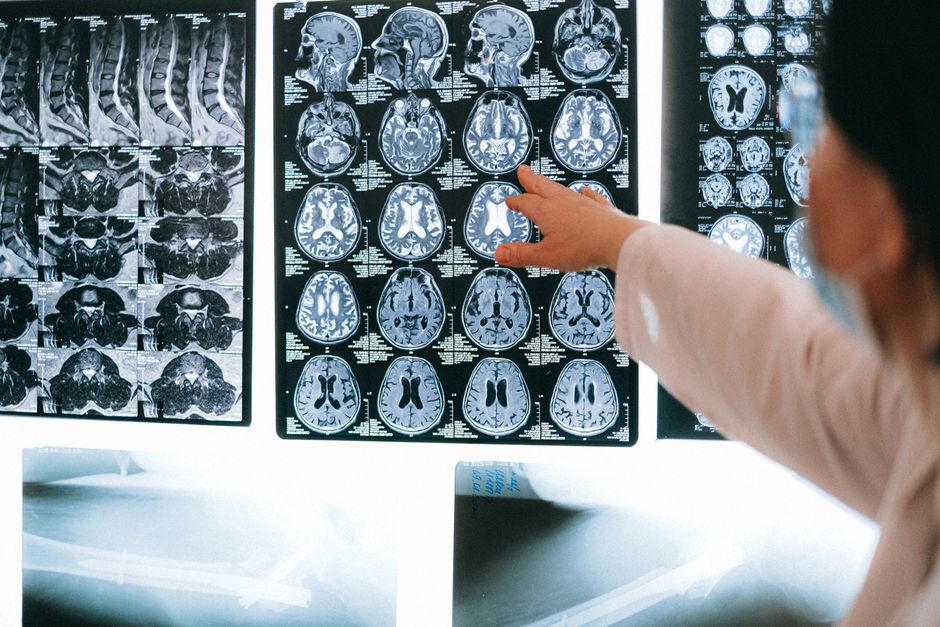
Understanding the Role and Purpose of Independent Medical Examinations
In personal injury litigation, motor vehicle collisions, and complex liability disputes, medical questions often dictate the trajectory of a claim. An independent medical evaluation provides a forensic, objective review designed to cut through speculation and clarify clinical realities. When attorneys evaluate whether an injury stems from a specific incident or represents an unrelated health issue, understanding how to determine if you need a medical expert witness helps establish whether formal forensic analysis is required.
The primary purpose of retaining an independent medical examiner is to secure an unbiased assessment of the claimant’s condition. Unlike standard clinical visits centered on ongoing patient care, an independent evaluation answers specific forensic questions: What was the primary mechanism of injury? Are the documented physical limitations consistent with the diagnostic findings? Has the patient reached maximum medical improvement (MMI)? By answering these questions through evidence-based analysis, an independent medical expert provides courts, insurers, and legal teams with an impartial foundation for evaluating claims.
Defining the Independent Medical Examination in Legal Matters
An independent medical examination (IME) operates under specific statutory frameworks and civil procedural rules. These evaluations are frequently requested during personal injury lawsuits, automobile accident claims, disability determinations, and contested insurance matters. Furthermore, evaluating contested physical limitations is common when reviewing medical expert witnesses used in workers’ comp cases to ensure objective medical standards guide compensation decisions.
Within tort claims, the IME serves as an evidentiary tool. It allows retaining counsel and claims examiners to verify the severity of an alleged injury, assess whether the medical care provided was reasonable and necessary, and determine whether the physical complaints correlate with objective anatomical findings.
Independent Medical Examiner vs. Treating Physician
The distinction between a treating physician and an independent medical examiner is fundamental to medical-legal proceedings. A treating physician’s duty is therapeutic: they advocate for their patient’s well-being, formulate treatment plans, and provide compassionate care. In contrast, an independent medical examiner does not establish a doctor-patient relationship. The examiner’s role is forensic and neutral—evaluating documented medical facts without therapeutic advocacy.
| Evaluation Criterion | Treating Physician | Independent Medical Examiner |
|---|---|---|
| Primary Objective | Therapeutic care, symptom relief, and recovery | Impartial forensic evaluation of clinical facts |
| Doctor-Patient Relationship | Formal medical-legal care relationship established | No physician-patient relationship created |
| Role in Litigation | Patient advocate presenting clinical impressions | Neutral evaluator providing objective analysis |
| Scope of Assessment | Focused on active treatment and immediate clinical management | Evaluates causation, impairment, and objective records |
| Standard of Review | Clinical response to therapy and subjective reporting | Objective verification via diagnostic and forensic data |
Understanding these differing perspectives is essential when presenting medical testimony to a judge or jury.
Key Criteria for Selecting a Qualified Independent Medical Expert
Selecting an expert requires careful attention to qualifications, active clinical experience, and professional credibility. An effective expert must be able to translate complex clinical nuances into clear, understandable explanations. As many litigators discover, not just any doctor can be a medical expert witness; the role requires rigorous diagnostic acumen, familiarity with legal standards, and the communication skills necessary to withstand demanding cross-examination.
Essential Board Certifications and Clinical Background
Forensic credibility begins with verifiable clinical credentials. An independent medical examiner should possess active, relevant board certifications and substantial experience treating patients in the specific medical field at issue.
Recognizing the value of a medical expert witness often comes down to their practical, frontline clinical experience. In matters involving acute trauma, emergency department triage, or rapid clinical deterioration, an examiner board-certified by the American Osteopathic Board of Emergency Medicine brings hands-on familiarity with high-acuity decision-making. That clinical background ensures the evaluation reflects the real-world conditions under which emergency medical decisions are made.
Objectivity in Plaintiff and Defense Representation
An independent medical expert’s greatest asset is strict neutrality. An expert who provides balanced reviews for both sides maintains credibility in deposition and trial proceedings. Retaining an expert who provides thorough plaintiff expert witness case reviews as well as rigorous defendant expert witness evaluations ensures that medical conclusions rely solely on clinical documentation, patient presentation, and established standards of care—not partisan advocacy.
The Core Stages of the Independent Medical Evaluation Process
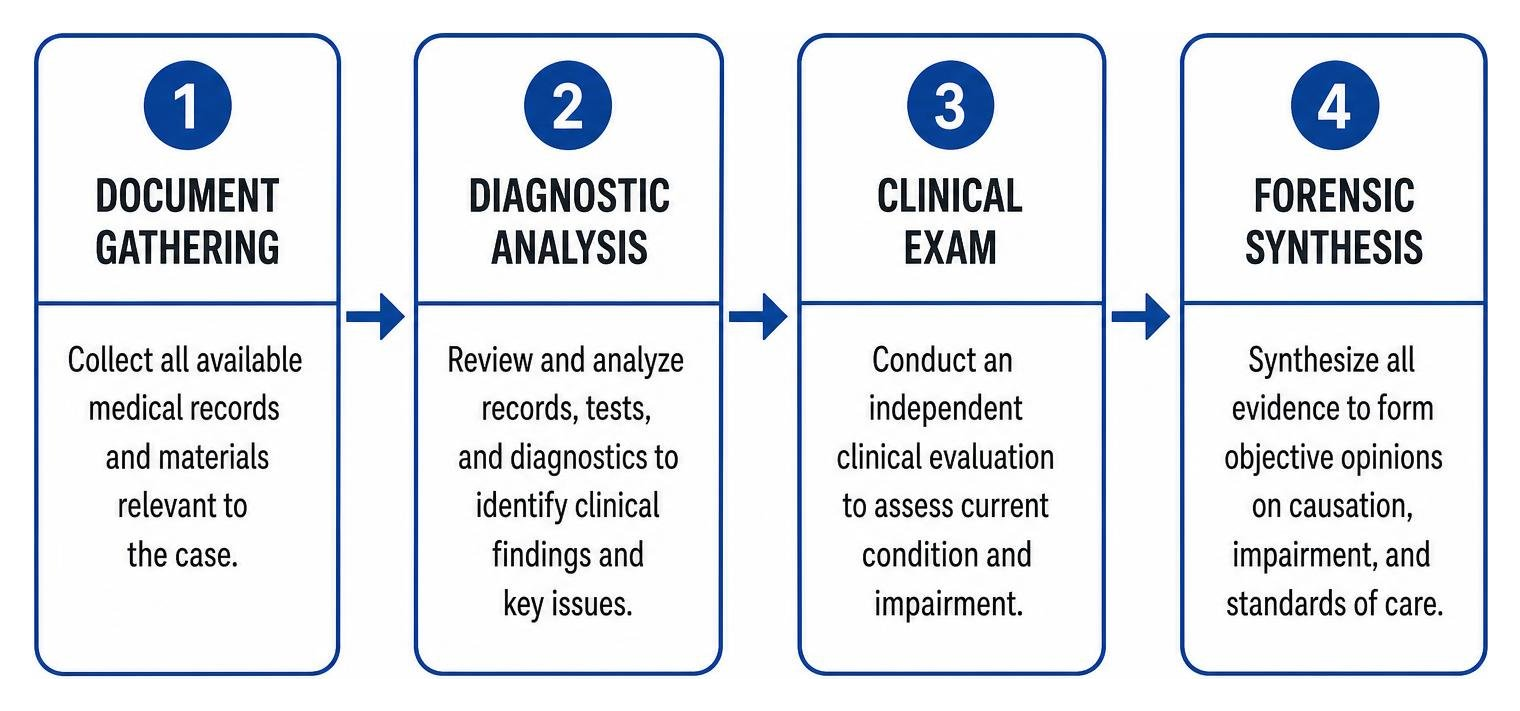
The independent medical evaluation follows a structured, evidence-based methodology to ensure every clinical finding is supported by the record. Legal teams understand why legal teams require expert witness testimony: judges and juries rely on medical experts to clarify technical evidence and separate subjective complaints from objective physical findings.
Comprehensive Medical Record Review and Diagnostic Analysis
The process begins with an in-depth review of all available medical records. This analysis covers:
- Initial Presentation and Triage Notes: Examining initial vital signs, triage acuity levels, and reported mechanisms of injury.
- Emergency Department Documentation: Evaluating differential diagnoses, physician decision-making, and consultation timing.
- Diagnostic Imaging and Lab Validation: Correlating radiologist reports, CT scans, plain radiographs, and laboratory trends with documented symptoms.
- Treatment Timeline Reconciliation: Tracking the progression of care, response to interventions, and any unexplained gaps in treatment.
A poor medical outcome alone does not establish medical negligence; medical records, patient presentation, information available to treating physicians at the time, and documented clinical decisions must be evaluated in context. Negligence cannot be assumed simply because an adverse event occurred, nor can it be evaluated in hypothetical scenarios without a thorough review of the actual medical evidence.
Physical Examination Protocols and Impairment Rating

When an in-person evaluation is conducted, the examiner follows standardized physical assessment protocols. The examination typically measures:
- Active and passive range of motion using objective instrumentation.
- Neurological integrity, including deep tendon reflexes, dermatomal sensation, and motor strength.
- Provocative orthopedic and neurological testing to assess joint stability and nerve root irritation.
- Consistency between subjective pain behaviors and objective physical findings.
Impairment evaluations rely on standardized frameworks, such as the AMA Guides to the Evaluation of Permanent Impairment (5th or 6th editions) or applicable state guides, to assign consistent whole-person impairment percentages.
Medical Causation, Impairment Ratings, and Legal Impact

Medical causation connects an alleged incident to the specific physical injuries claimed in a lawsuit. A clear, well-supported opinion on causation is central to assessing liability and damages, reflecting the practical value of medical expert witness in court proceedings.
How an Independent Medical Expert Establishes Causation
To establish medical causation, an examiner evaluates the physical forces involved alongside the claimant’s acute clinical presentation. The expert assesses:
- Injury Biomechanics: Did the incident generate sufficient energy and appropriate directional forces to produce the claimed injury?
- Temporal Relationships: Did symptoms develop within a clinically expected timeframe following the event?
- Differential Etiology: Are the findings attributable to acute trauma, pre-existing degenerative conditions, or unrelated systemic illnesses?
By systematically addressing each element, the expert provides an evidence-based foundation connecting the mechanism of injury to the objective medical evidence.
Impact on Settlements, Trial Outcomes, and Compensation Claims
A detailed independent evaluation report provides clarity during pre-trial negotiations, mediations, and courtroom proceedings. When contested claims proceed to litigation, law firms need medical expert witnesses who can deliver well-reasoned written opinions, affidavits of merit, and clear deposition testimony that explain complex medical issues to judges and juries.
Overcoming Common Challenges in Medical-Legal Evaluations
Medical-legal evaluations often involve complex, conflicting, or incomplete documentation. Knowing what makes an effective expert witness includes recognizing how an expert navigates evidentiary challenges while maintaining objectivity.
Navigating Pre-Existing Conditions with an Independent Medical Expert
Pre-existing degenerative conditions are common in personal injury and automobile accident claims. Distinguishing between pre-existing pathology, asymptomatic age-related changes, and an acute traumatic aggravation requires careful clinical analysis.
The expert reviews prior medical records, baseline imaging, and past medical history to determine whether an incident caused a new anatomical injury, temporarily exacerbated a baseline condition, or resulted in permanent structural aggravation requiring apportionment.
Addressing Incomplete Documentation and Disputed Findings
Missing hospital charts, absent imaging series, or conflicting physician notes can complicate an evaluation. In these situations, the expert:
- Identifies critical record gaps that require supplemental requests or subpoenaed hospital files.
- Compares diagnostic imaging reports with the original scan series to verify documented findings.
- Explains clearly which conclusions are supported by the existing record and how missing documentation limits specific determinations.
Frequently Asked Questions About Independent Medical Evaluations
What core information is evaluated during an independent medical examination?
An IME evaluates initial emergency department records, paramedic run sheets, diagnostic imaging studies, laboratory results, prior medical history, mechanism of injury documentation, and findings from an objective physical examination.
Can an independent medical evaluation determine return-to-work capacity?
Yes. An IME can assess physical functional limitations, evaluate work restrictions, identify when an individual has reached maximum medical improvement (MMI), and provide an objective basis for determining return-to-work readiness.
How do AMA Guides influence impairment ratings in legal claims?
Standardized rating tools, such as the AMA Guides to the Evaluation of Permanent Impairment (5th and 6th Editions), establish consistent criteria for converting permanent physical deficits into objective whole-person impairment percentages.
Conclusion
An objective, evidence-based independent medical evaluation clarifies complex medical questions in civil litigation, personal injury lawsuits, and insurance disputes. Grounding medical opinions in documented clinical records, patient presentation, and established standards of care gives legal teams on both sides a dependable foundation for resolving contested claims.
At Emergency Expert For You, Dr. Edward Mallory provides independent Emergency Medicine expert witness services—including medical record reviews, written opinions, affidavits, and courtroom testimony—for both plaintiff and defense counsel. Dr. Mallory brings more than 30 years of Emergency Medicine experience, approximately 13 years of medical expert witness experience, over 200 medical cases reviewed, and board certification by the American Osteopathic Board of Emergency Medicine since 1993. When your case requires thorough clinical analysis, consider consulting a qualified medical expert witness to evaluate the medical evidence.